Teacher’s T-Shirt Design – Teach Love
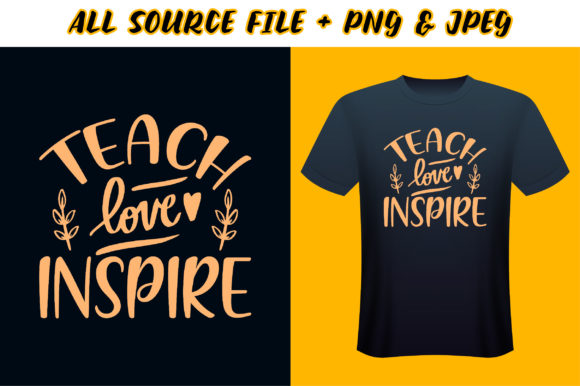
When I first opened the Teacher’s T-shirt Design - Teach Love, I was immediately struck by its warmth and clarity. This design isn’t just a collection of letters or a generic phrase—it carries an emotional weight that resonates with educators, parents, and anyone who values the impact of teaching. The layout is balanced, the font choice is clean and approachable, and the overall composition feels intentional rather than rushed. As an embroidery designer with years of experience, I know how rare it is to find a digital design that translates well into real-world stitching while maintaining visual appeal.
A Natural Fit for Custom Apparel Projects
The Teach Love design is particularly strong when applied to t-shirts and sweatshirts—two of the most common items in custom apparel orders. Its central positioning makes it ideal for front placement, where it can be easily seen and appreciated. The use of bold lettering ensures visibility even from a distance, which is especially useful if you're creating merchandise for a school event or boutique line. For those of us who run craft businesses or sell handmade products on Etsy, this kind of readability is essential for building customer trust and engagement.
What I like most about this design is its adaptability. It works equally well as a standalone graphic or as part of a larger set of design assets. Whether you're using it for a personalized gift, small shop product branding, or commercial embroidery projects, the simplicity of the message gives it wide appeal without feeling mass-produced.
Visual Personality and Emotional Impact
There’s a subtle elegance to Teach Love that stands out in today’s fast-paced, over-designed market. It doesn’t scream for attention, but instead invites a connection. That kind of personality is perfect for handcrafted gifts or heartfelt holiday embroidery. Teachers often receive generic “I Love My Teacher” designs, but this one has a unique charm that sets it apart. The spacing between letters is generous, which helps avoid overcrowding, and the edges are crisp enough to maintain definition across different stitch types.
Real-Life Embroidery Application: A Tote Bag Project
To test the Teach Love design in action, I tried it on a cotton canvas tote bag—a popular item among handmade shop owners and creative entrepreneurs. After hooping the fabric and running the machine embroidery design through my digitizer software, I noticed how well it scaled up. The satin stitch outlines held their shape beautifully, and the fill stitch within the letters didn’t bleed or distort, even after washing the bag twice.
I also experimented with the design on a stretchy polyester-blend fabric for a custom sweatshirt. While the result was still good, I had to adjust the stitch density slightly to prevent puckering. This highlights the importance of considering fabric type before finalizing your project. The same goes for dark-colored fabrics—while the contrast was acceptable, it would benefit from using lighter thread colors to enhance legibility.
Where to Use with Caution
- Small Hoop Sizes: If you’re working with tiny hoop sizes, such as for embroidered patches or baby onesies, this design may need resizing or simplification. The current layout is best suited for medium to large formats.
- Textured Fabrics: The detail level of Teach Love is high enough that it might lose some of its finesse on heavily textured materials like denim or burlap. Test it on scrap fabric first to ensure the finished product remains clear and presentable.
- Stretchy or Thin Materials: These fabrics require extra stabilizer and careful stitch adjustments. Without these considerations, the design could warp or become less defined after multiple uses or washes.
- Curved Surfaces: Applying this design to curved surfaces like caps or hats can pose challenges. You’ll need to account for the curvature during the hooping process or consider using a split-hoop technique to keep the design flat and true.
- Frequent Washing: Because of its intricate nature, the design should be tested for durability on items like kitchen towels or aprons. High-stitch-density areas may wear down faster over time.
Design Clarity and Professional Presentation
One thing I always look for in an embroidery file is clarity in every detail. With Teach Love, the lines are smooth and consistent, and there’s no unnecessary bulk in the stitching. The balance between running stitch and satin stitch allows for a professional finish without being overly complex. This is something that both hobbyists and seasoned embroidery designers will appreciate—it looks polished, even on simpler machines.
As an embroidery designer, I’m always mindful of how a design contributes to the overall value of the finished product. This one elevates the presentation significantly. When paired with quality thread and the right stabilizer, it transforms a basic white tee or tote into a meaningful, handcrafted piece. That’s exactly what customers look for when they buy personalized gifts or support small business merchandise.
Thread Color Contrast and Stitch Density
Before using any design in production, I recommend checking thread color contrast against your chosen fabric. In my tests, black thread worked best on light backgrounds, while white or cream threads were more visible on darker materials. Since the design is compressed in one ZIP file, you’ll need to extract it and review the available thread options. Make sure they align with your intended aesthetic and practical needs.
Stitch density is another key factor. The design has a moderate density that prevents distortion while ensuring coverage. However, if you’re working with delicate or thin fabrics, you might want to reduce the density slightly to avoid pulling or breaking the material. Always do a test run on scrap fabric to see how it behaves under pressure and movement.
Commercial Use Considerations for Etsy Sellers and Boutique Brands
If you’re planning to use Teach Love for commercial embroidery projects, it’s important to confirm licensing terms before selling finished items or digital embroidery files. Many designers offer personal-use-only files, so make sure the Teach Love graphics you purchase are permitted for resale or distribution within your craft business. This step is crucial for avoiding legal issues and maintaining brand consistency.
For Etsy sellers and handmade shop owners, the design’s emotional tone can be a powerful tool. Think about how it might fit into a curated collection of educational-themed products or as part of a holiday gift lineup. Pair it with other design elements like borders, icons, or seasonal motifs to create cohesive, attractive listings. Including a printable mockup in your listing can help buyers visualize the design on different products, boosting buyer engagement and sales potential.
Enhancing Handmade Presentation and Giftability
Teachers love thoughtful, handmade gifts—especially ones that reflect their passion and dedication. The Teach Love design fits perfectly into this category. It adds a layer of professionalism to otherwise simple items like pillow covers, tea towels, or nursery decor. When stitched neatly and presented with care, it becomes a memorable gift that feels both personal and polished.
Its clean lines and modern feel also make it suitable for branding purposes. Small shop products or boutique lines can benefit from incorporating this design into their signature items. It helps build recognition and conveys a sense of purpose and community—something that resonates deeply with customers who value craftsmanship and intentionality.
Practical Tips for Getting the Best Results
- Test on Scrap Fabric: Always try the design on a sample piece before moving to the final product. This helps identify any potential issues with stitch flow or tension.
- Check Thread Colors: Make sure the thread colors in the design complement your fabric and match your desired outcome. Some designs come with suggested palettes; if not, experiment with combinations.
- Review Stitch Density: Adjust the stitch count based on the fabric type and thickness. Too dense, and it can cause puckering; too sparse, and it may appear unfinished.
- Confirm Hoop Size: Check the recommended hoop size in the design notes. If none is provided, determine the smallest safe hoop that maintains the design’s integrity.
- Inspect Small Details: Look closely at the corners and inner curves of the letters. Any jagged lines or misaligned stitches can detract from the overall appearance.
- Use Proper Stabilizer: Especially on stretchy or slippery fabrics, backing stabilizer is a must. It supports the fabric and ensures the design holds up after repeated use or washing.
- Test in Black and White: Before choosing specific thread colors, simulate the design in grayscale to evaluate how it reads visually. This is especially helpful for dark fabric backgrounds.
- Compare Light and Dark Fabrics: See how the design appears on contrasting bases. Sometimes a design looks great on white but loses impact on black or navy.
- Check Commercial Use Rights: If you plan to sell finished products or digital embroidery files, verify whether the design allows for commercial embroidery use. This information is typically included in the product description or license agreement.
Final Thoughts on Teach Love for Embroidery Projects
After testing the Teacher’s T-shirt Design - Teach Love in several real-life scenarios—from tote bags to holiday gifts—I believe it's a versatile and emotionally compelling addition to any embroidery designer's toolkit. It strikes the right balance between simplicity and sophistication, making it suitable for both personal and commercial embroidery projects.
While it excels on standard t-shirts and sweatshirts, it can also be adapted for other crafts like embroidered patches or aprons, with a few adjustments. Just remember to take into account factors like fabric texture, stitch density, and thread contrast to ensure the best possible outcome.
If you're an Etsy seller, handmade shop owner, or creative entrepreneur looking to add meaningful design assets to your portfolio, this one is worth considering. It has the potential to elevate your products, connect with your audience, and reinforce the handmade value of your work. Just don’t skip the prep steps—your attention to detail will show in the final product and strengthen customer trust.